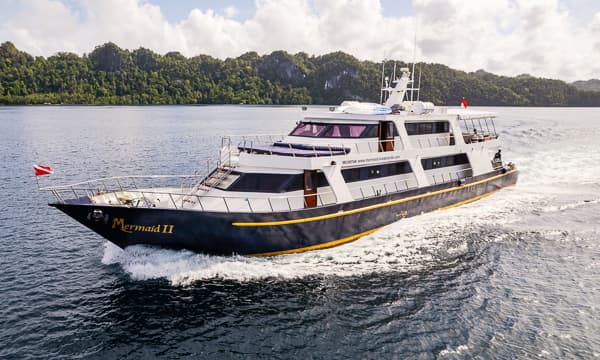
Jelajahi Laut Liveaboard, Indonesia
Brand-new luxury phinisi designed to deliver the scuba best diving experiences in Indonesia
fromUS$420 /day
per person





















Overview
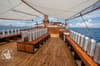
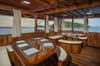
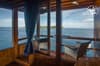
Designed by divers, for divers, Jelajahi Laut liveaboard is a brand new luxury liveaboard offering unmissable adventures in some of Indonesia’s most sought after dive destinations. Boasting beautiful wooden interiors, understated social spaces, and a selection of accommodation options - including two top deck sea-view cabins - Jelajahi Laut guarantees a comfortable trip, even in the remotest of waters. And, with a limited number of guests on board, each experience will feel totally personal and every memory will be cherished for years to come.
Highlights
- Traditional phinisi vessel offering modern comforts and understated luxury
- Dive some of Indonesia’s most sought dive destinations
- Just 14 guests on board, ensuring highly personalised experiences
- Make the most of new dive rental equipment onboard
- Number of cabins:6
- Internet:NO
- Nitrox:YES
- Ensuite bathrooms:YES
- Guest / Guide:4:1
- Group booking discounts
Choose your trip
- 1 guest
- 2 guests
- 3 guests
- 4 guests
- 5 guests
- 6 guests
- 7 guests
- 8 guests
- 9 guests
- 10+ guests
2026
2027
2028
- 05Oct 202610D / 9N
Ambon - Banda - Ambon
25 divesfrom US$3,950Sold out - 17Oct 202610D / 9N
Ambon - Banda - Ambon
25 divesfrom US$3,950Sold out - 29Oct 202610D / 9N
Ambon - Banda - Ambon
25 divesfrom US$3,950Sold out
Cabins

Standard cabin
 Twin beds2 peopleShareable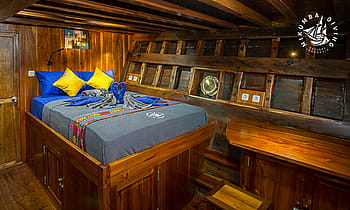
Deluxe cabin
 Twin or double bed2 peopleShareable
Sea view cabin
 Double bed2 peopleNon shareable
Boat facilities
Dive facilities
Vessel information
Conservation
Reviews
51 review
Accommodation
Staff
Food
Eco-friendliness
Underwater experience
Dive guides & equipment
March 2023
Susanne F
It was great. The boat was really nice and the crew was great.